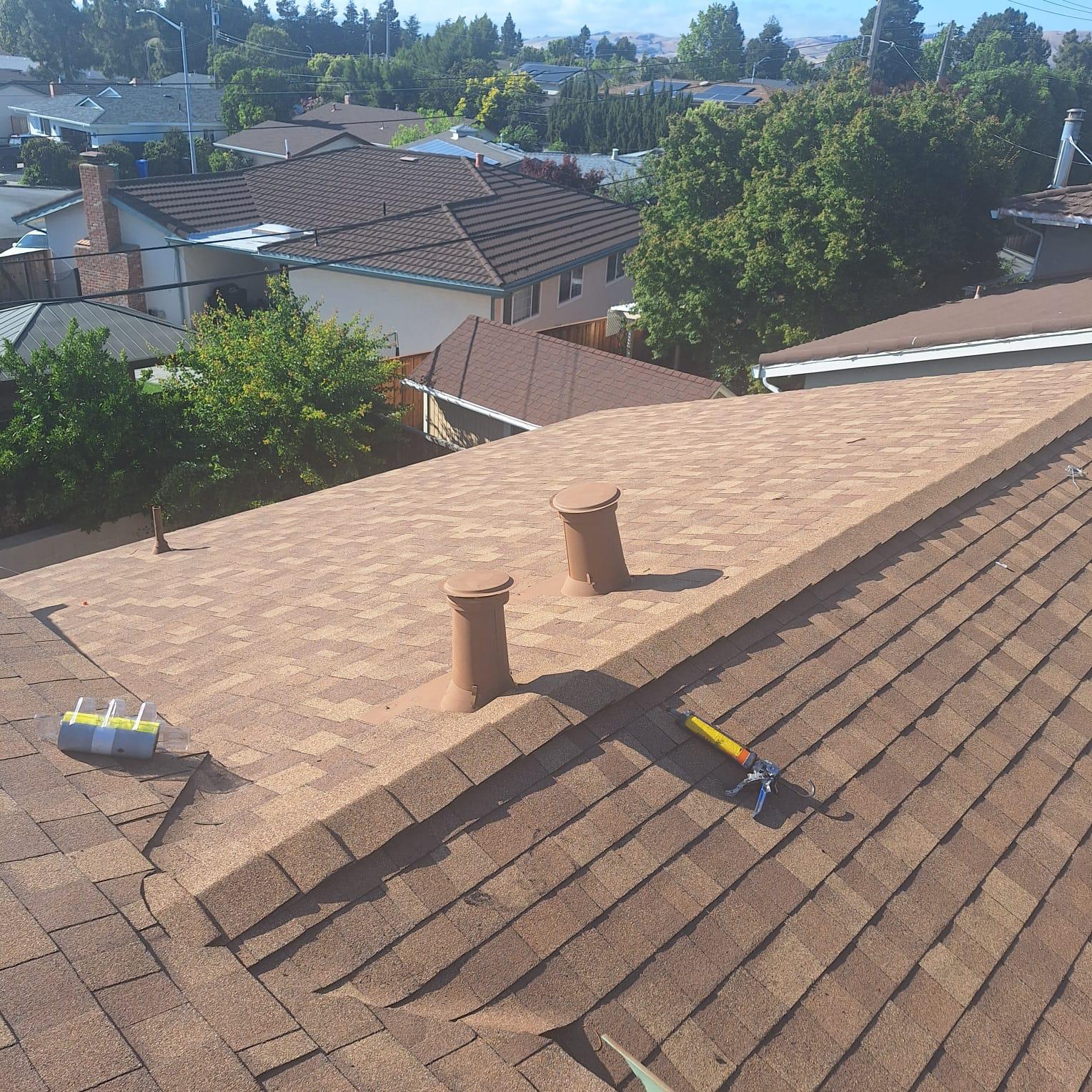
Best Practices for Snow Removal from Roofs
As winter approaches, homeowners must prepare for the snow that can accumulate on their roofs. Heavy snow can lead to potential damage and safety hazards. This post outlines the best practices for snow removal from roofs, ensuring both safety and roof integrity.
Understanding the Risks of Snow Accumulation
Before diving into the best practices, it’s crucial to understand the risks associated with snow accumulation on roofs:
- Structural damage due to excess weight.
- Ice dam formation leading to leaks.
- Increased risk of roof collapse in severe cases.
Essential Tools for Snow Removal
Having the right tools can make snow removal easier and safer. Here’s a list of essential tools you should consider:
- Roof rake: A long-handled tool designed to pull snow off the roof.
- Snow shovel: A lightweight shovel can help remove snow from flat roofs.
- Safety harness: Essential for preventing falls when working on sloped roofs.
- Non-slip footwear: To ensure stability on icy surfaces.
Step-by-Step Guide to Safe Snow Removal
Follow these steps to safely remove snow from your roof:
- Assess the snow load: Before starting, evaluate how much snow is on your roof and if it warrants removal.
- Set up safety measures: Ensure you have a sturdy ladder and a safety harness if needed.
- Use a roof rake: Start at the edge of the roof and pull the snow down in manageable sections.
- Clear lower sections first: This reduces the risk of snow falling from higher areas while you work.
- Avoid using sharp tools: Tools like shovels can damage shingles; stick to softer options.
When to Call a Professional
While many homeowners can handle snow removal, there are situations where it's best to call a professional:
- If the snow load is excessive and poses a risk to your safety.
- When ice dams form that can lead to leaks.
- If your roof is steep or high, making it difficult to work safely.
Preventive Measures for the Future
To prevent snow accumulation and the associated risks in the future, consider these preventive measures:
- Install heated roof cables: These can help prevent ice dams by melting snow.
- Regular roof inspections: Ensure your roof is in good condition before winter.
- Proper insulation and ventilation: Helps maintain roof temperature and prevent snow buildup.
Conclusion
Snow removal from roofs is a critical task for homeowners during the winter months. By understanding the risks, using the correct tools, and following safety practices, you can effectively manage snow accumulation on your roof. Remember, when in doubt, always consult with professionals to ensure your safety and the integrity of your roof.