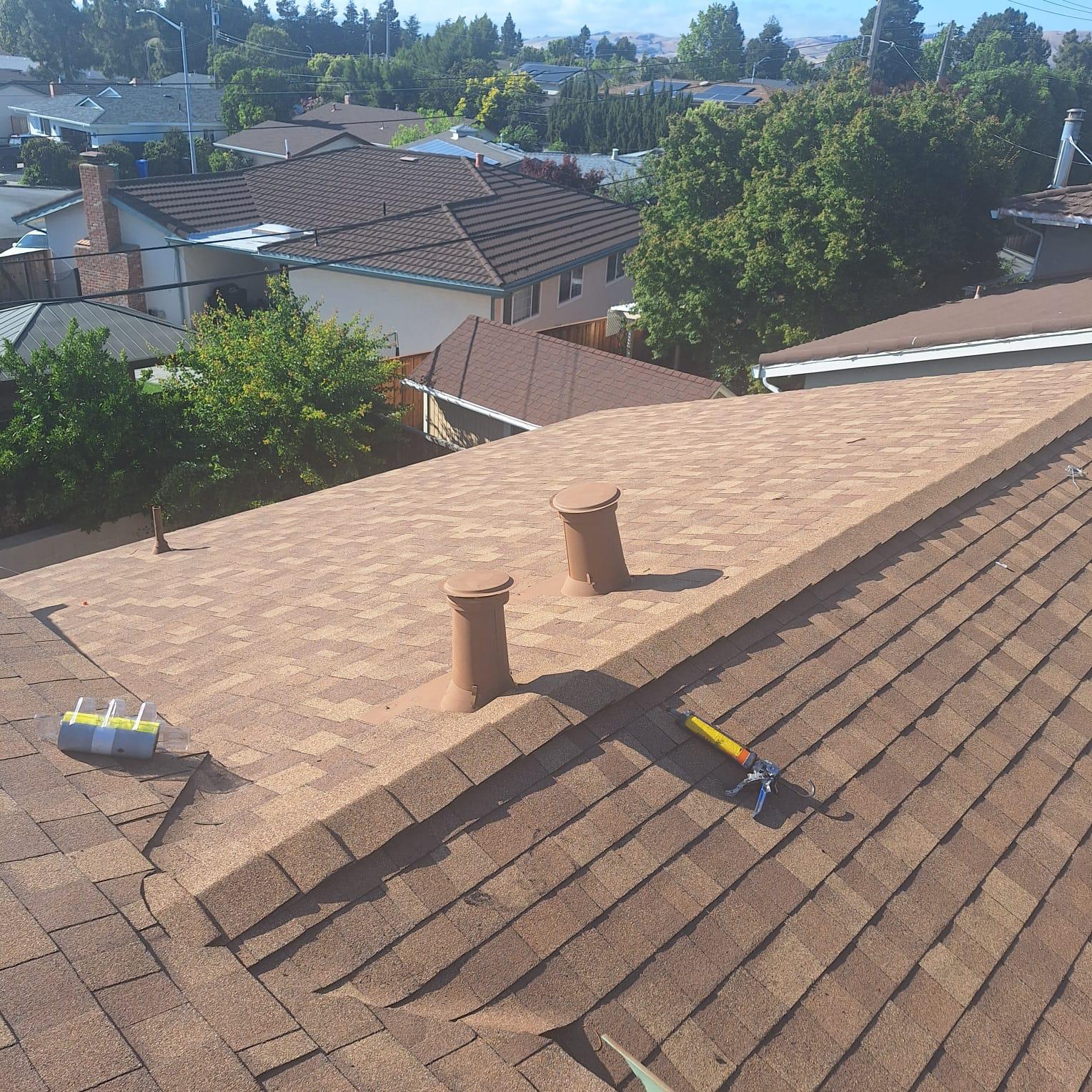
Understanding Roof Ventilation
Roof ventilation is a crucial aspect of maintaining the integrity and longevity of your roofing system. Proper ventilation can prevent roof damage, increase energy efficiency, and enhance indoor air quality. In this blog post, we will explore the importance of roof ventilation, how it works, and the best practices for ensuring your roof is well-ventilated.
What is Roof Ventilation?
Roof ventilation refers to the process of allowing air to flow through the attic and roof space. This airflow is essential for regulating temperature and moisture levels. A well-ventilated roof can help to:
- Prevent heat buildup in the attic
- Reduce moisture accumulation
- Prevent ice dams in colder climates
- Extend the lifespan of roofing materials
Why is Roof Ventilation Important?
Understanding the importance of roof ventilation can help homeowners make informed decisions about their roofing systems. Here are some key reasons why proper ventilation is vital:
- Prevention of Roof Damage: Lack of ventilation can lead to trapped moisture, which may cause mold growth and degradation of roofing materials.
- Energy Efficiency: Proper ventilation helps regulate attic temperatures, reducing the load on HVAC systems and lowering energy bills.
- Improved Indoor Air Quality: A well-ventilated attic reduces humidity levels, contributing to a healthier living environment.
- Extended Lifespan of Roof: With adequate ventilation, roofing materials can perform better and last longer.
How Does Roof Ventilation Work?
Roof ventilation systems typically consist of two main components: intake vents and exhaust vents. Here's how they work together:
Intake Vents
Intake vents are located at the lower part of the roof, usually along the eaves. They allow fresh air to enter the attic space, replacing warm, stale air. Common types include:
- Soffit Vents: Installed in the eaves, these vents allow air to flow directly into the attic.
- Gable Vents: Located at the gable ends of the roof, these vents help release hot air.
- Undermount Vents: Positioned underneath roofing materials, these vents promote airflow without compromising aesthetics.
Exhaust Vents
Exhaust vents are situated at the top of the roof, allowing hot air and moisture to escape. They include:
- Ridge Vents: Installed along the roof's peak, these vents provide continuous airflow.
- Roof Louvers: These vents can be adjusted to regulate airflow based on weather conditions.
- Power Vents: Electrically powered fans that actively push out hot air from the attic.
Signs of Poor Roof Ventilation
Recognizing the signs of inadequate roof ventilation can help you take timely action to prevent damage. Look out for the following indications:
- Excessive Heat in the Attic: An attic temperature significantly higher than the outside temperature indicates poor ventilation.
- Mold and Mildew Growth: Increased moisture levels can lead to mold issues, which can affect air quality.
- Ice Dams: In cold climates, ice buildup at the eaves can signal insufficient ventilation.
- Damaged Roofing Materials: Warping or curling shingles may be a result of trapped heat and moisture.
Best Practices for Roof Ventilation
To ensure optimal roof ventilation, consider the following best practices:
- Consult a Professional: Have a roofing expert evaluate your ventilation needs.
- Maintain Clear Vents: Regularly check and clean intake and exhaust vents to prevent blockages.
- Install Balanced Ventilation: Aim for a proper ratio of intake to exhaust vents, ideally 1 square foot of ventilation for every 150 square feet of attic space.
- Consider Seasonal Adjustments: Adjust your ventilation system based on seasonal changes in temperature and humidity.
Conclusion
Understanding and implementing effective roof ventilation strategies is essential for maintaining the health of your home. By preventing roof damage and enhancing energy efficiency, proper ventilation contributes to a comfortable and safe living environment. If you suspect your roof may be suffering from poor ventilation, don't hesitate to contact Silver Stone Roofing for a comprehensive evaluation and tailored solutions.