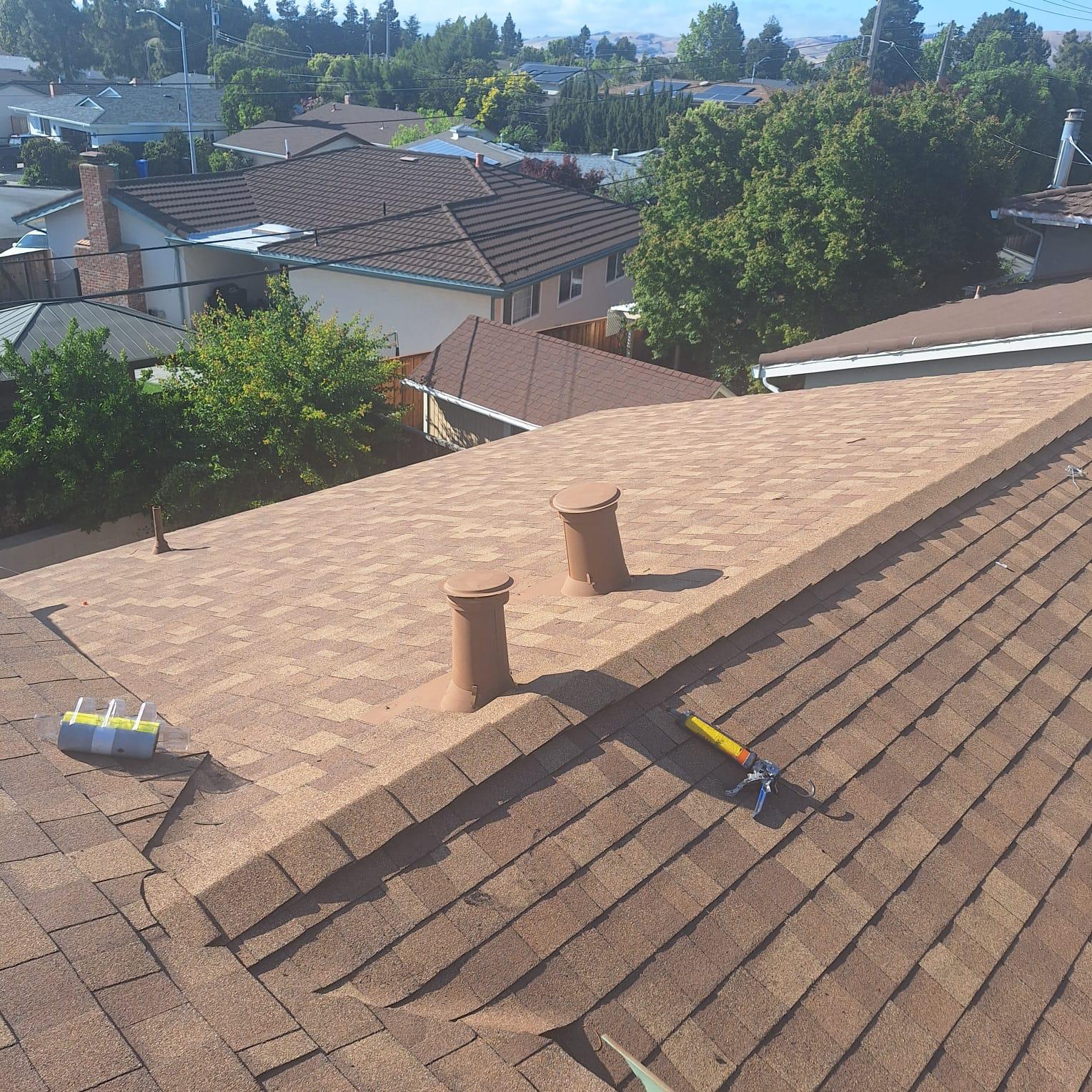
How to Identify Shingle Damage in Winter
Winter can be tough on roofs, especially when it comes to shingle damage. Snow, ice, and freezing temperatures can all contribute to the wear and tear of roofing materials. As a homeowner, it's crucial to regularly inspect your roof for damage, particularly during the colder months. This guide will help you understand how to identify shingle damage and what steps to take if you find any issues.
Common Causes of Shingle Damage in Winter
- Ice Dams: These occur when snow melts on the roof and refreezes at the eaves.
- Snow Accumulation: Heavy snow can add weight and stress to your shingles.
- Temperature Fluctuations: Rapid changes in temperature can cause shingles to expand and contract.
- Wind Damage: Strong winter winds can lift or tear off shingles.
Signs of Shingle Damage
- Curling or Buckling: Shingles that are no longer flat may need replacement.
- Missing Shingles: Check for any gaps where shingles should be.
- Granule Loss: Look for excessive granules in gutters or on the ground.
- Cracks or Breaks: Inspect shingles for visible cracks or breaks.
How to Perform a Roof Inspection
Conducting a roof inspection can be done safely from the ground or with the use of binoculars. Here are the steps to follow:
- Start by checking for visible damage from a distance.
- Use binoculars to inspect the surface of the roof more closely.
- Look for signs of wear around chimneys, vents, and skylights.
- Examine gutters and downspouts for shingle granules.
When to Call a Professional Roofer
If you notice any of the following signs, it's best to contact a professional roofer for a detailed inspection and repair:
- Multiple missing or damaged shingles.
- Signs of water damage in the attic or ceilings.
- Difficulty accessing the roof safely.
- Concerns about ice dams or heavy snow.
Preventative Measures for Winter Roofing
Taking proactive steps can extend the life of your roof and prevent winter damage. Here are some preventative measures:
- Ensure gutters are clean and free of debris.
- Install roof insulation to minimize heat loss.
- Consider roof snow removal if accumulation is excessive.
- Schedule a professional inspection before winter sets in.
Conclusion
Identifying shingle damage during winter is essential for maintaining the integrity of your roof. Regular inspections, awareness of common signs of damage, and timely professional help can save you from costly repairs in the future. Stay proactive and keep your roof in top condition, ensuring that it protects your home through every season.