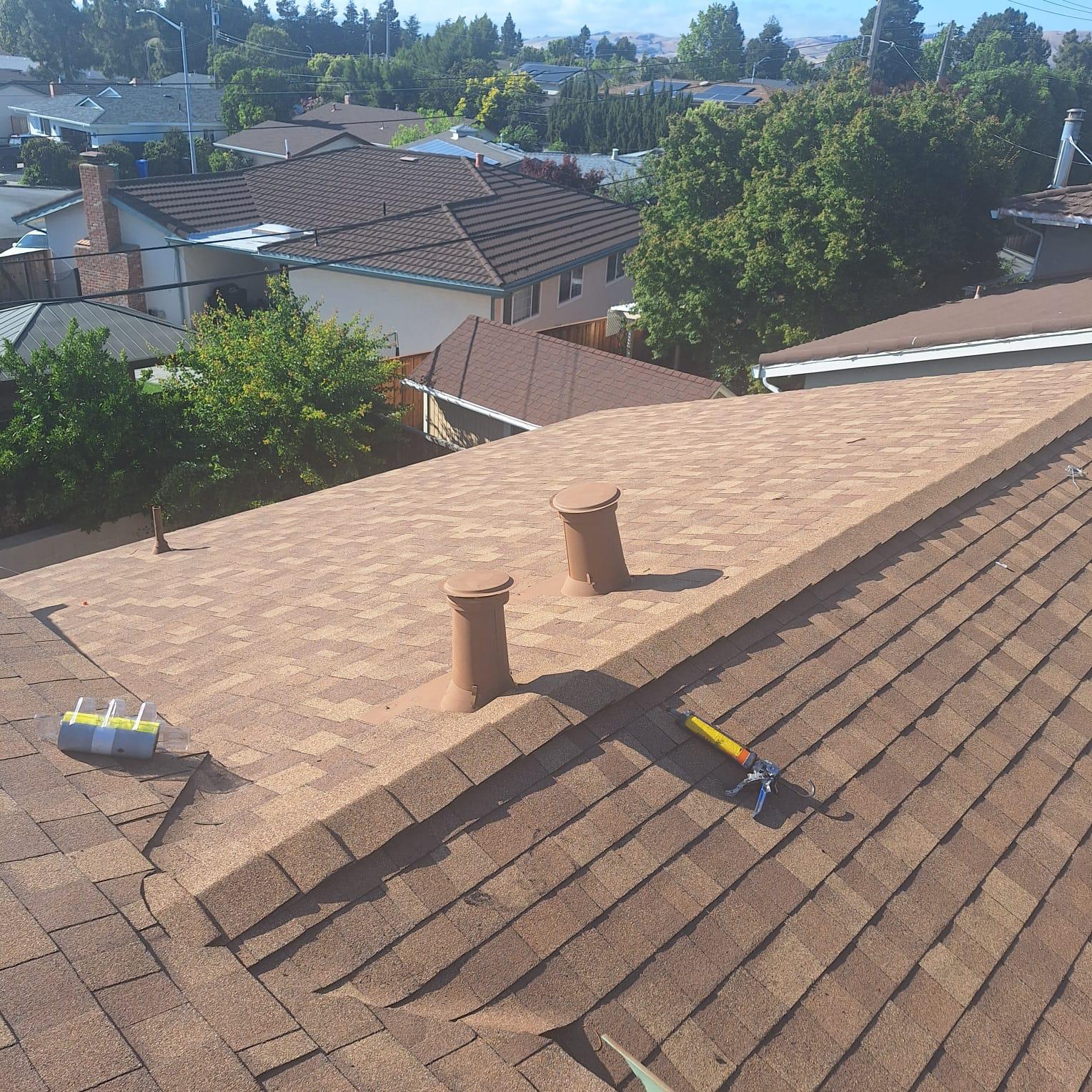
The Importance of Regular Roof Inspections
When it comes to maintaining the integrity of your home, regular roof inspections play a crucial role. Your roof is the first line of defense against the elements, and neglecting its upkeep can lead to costly repairs and safety hazards. In this blog post, we will explore the importance of regular roof inspections, how they contribute to home safety, and what to expect during the inspection process.
Why Regular Roof Inspections Matter
Roof inspections are essential for several reasons:
- Identifying potential problems early.
- Extending the lifespan of your roof.
- Ensuring compliance with warranty requirements.
- Enhancing energy efficiency.
- Improving home value.
Identifying Potential Problems Early
Regular inspections can help identify issues such as leaks, cracks, and missing shingles before they escalate into more significant problems. Early detection can save homeowners significant costs and hassle down the road.
Extending the Lifespan of Your Roof
A well-maintained roof can last for decades. Regular inspections allow homeowners to address minor issues before they lead to major repairs or the need for a full replacement, thus extending the roof's lifespan.
Ensuring Compliance with Warranty Requirements
Many roofing warranties require regular inspections and maintenance. Failing to adhere to these requirements may void your warranty, leaving you vulnerable to unexpected repair costs.
Roof Inspection Process
Understanding what happens during a roof inspection can help you appreciate its importance. Here’s what you can expect:
- Visual Assessment: Inspectors will look for visible signs of damage.
- Structural Evaluation: They will check the roof's overall structure and integrity.
- Functional Testing: This may include checking gutters, downspouts, and drainage systems.
- Documentation: Inspectors will document their findings and provide recommendations.
Visual Assessment
Inspectors will start with a visual assessment, looking for signs of wear and tear, such as missing or damaged shingles, stains, and debris buildup.
Structural Evaluation
A comprehensive evaluation of the roof’s structural integrity is crucial. Inspectors will check for sagging areas, rusted flashing, and other structural concerns.
Functional Testing
Functional testing involves checking the drainage systems, gutters, and downspouts to ensure they are working efficiently and directing water away from your home.
Benefits of Hiring a Professional
While some homeowners may attempt DIY inspections, hiring a professional roofing contractor can provide several benefits:
- Expertise: Professionals have the training and experience to spot issues that may be overlooked.
- Safety: Climbing on a roof can be dangerous; professionals have the proper safety equipment and training.
- Comprehensive Reports: Professionals provide detailed reports, including photographs and recommendations.
Expertise
Professionals are trained to identify a wide range of issues, ensuring that nothing goes unnoticed.
Safety
Safety is paramount when it comes to roof inspections. Professionals are equipped with the right tools and knowledge to conduct inspections safely.
Comprehensive Reports
Professional inspectors provide a thorough report that outlines their findings, which can be invaluable for planning repairs or maintenance.
Conclusion
In conclusion, regular roof inspections are vital for maintaining your home’s safety, preventing costly repairs, and extending the lifespan of your roof. Whether you choose to conduct the inspection yourself or hire a professional, make it a priority to schedule regular assessments. Protect your investment and ensure your home remains safe and secure.